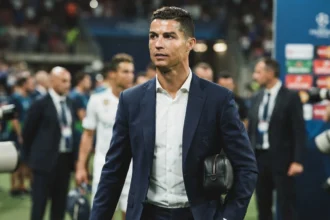
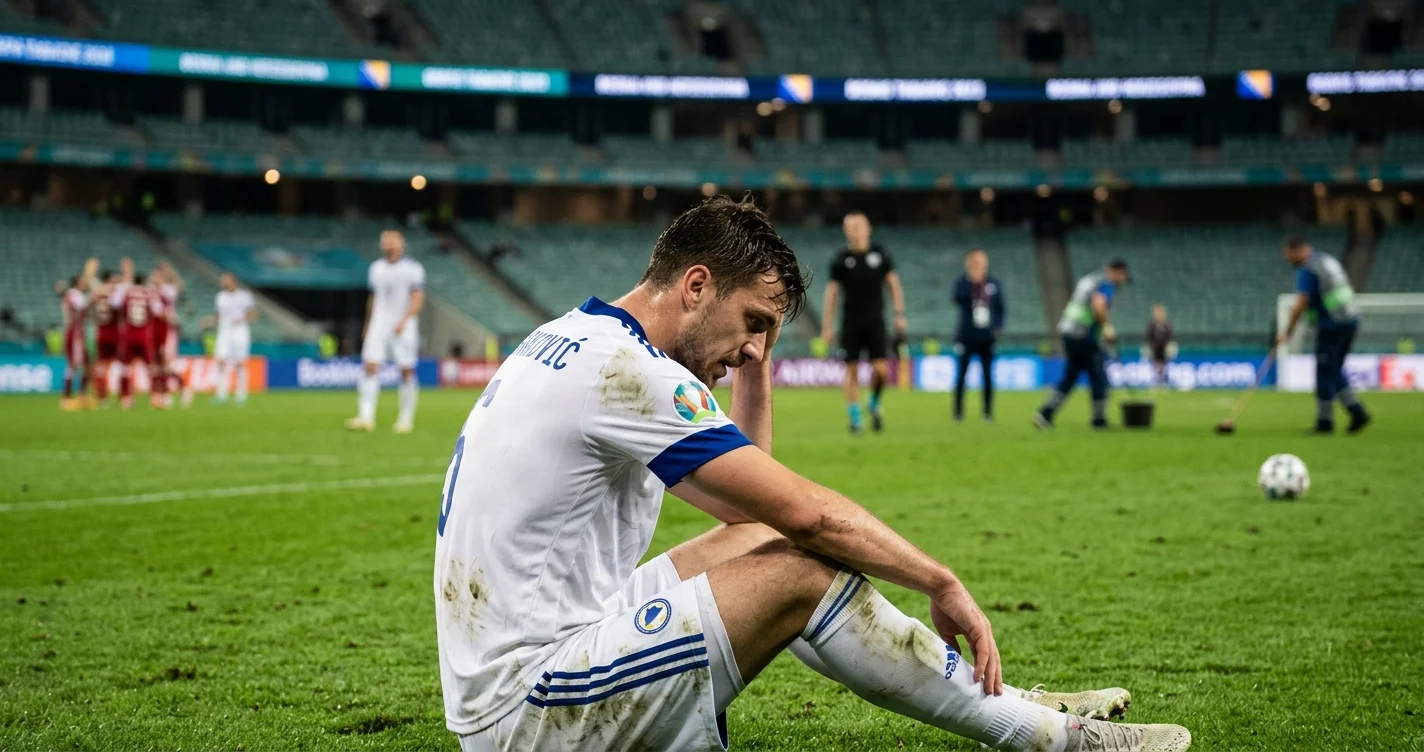
Haris Tabakovic heeft jarenlang gedroomd van deelname aan een Wereldkampioenschap, waarbij zijn ontwikkeling als professionele voetballer in Duitsland de hoop heeft gevoed dat deze droom werkelijkheid zou worden. Voor Duitse voetbalfans die zijn carrière hebben gevolgd, vertegenwoordigt Tabakovic een interessant verhaal van talent, ambitie en de uitdagingen waarmee spelers worden geconfronteerd die internationale erkenning zoeken.
De realiteit van moderne internationale voetbal betekent dat zelfs getalenteerde spelers zoals Haris Tabaković kunnen worden geconfronteerd met omstandigheden die hun kansen op WK-deelname significant kunnen beperken. De competitie om plaatsen in nationale teams is intenser dan ooit, waarbij factoren zoals timing, nationale team dynamiek en persoonlijke omstandigheden cruciale rollen spelen.
Duitse voetbalanalisten hebben Tabakovic’s situatie nauwlettend gevolgd, waarbij zijn prestaties in de Duitse competities zijn geanalyseerd naast zijn internationale prospects. Het verhaal van zijn WK-ambities illustreert de bredere uitdagingen waarmee spelers worden geconfronteerd in hun streven naar het hoogste internationale niveau.
Deze diepgaande analyse onderzoekt vijf specifieke redenen waarom de WK-droom van Haris Tabakovic mogelijk aan het vervagen is, waarbij we kijken naar tactische, persoonlijke en structurele factoren die zijn internationale carrière beïnvloeden. Deze comprehensive evaluatie biedt Duitse voetbalfans inzicht in de complexe realiteiten van moderne internationale voetbal.
Stream Without Limits
- 20,000+ Live Channels & VOD
- Anti-Freeze & 4K Resolution
- Instant Delivery to Your Email
Table of Contents
Reden 1: Verhoogde Concurrentie op Zijn Positie
De positie waar Haris Tabakovic speelt heeft binnen zijn nationale team een influx gezien van exceptional jonge talenten die zich hebben gevestigd bij topclubs in Europa's meest prestigieuze competities. Deze nieuwe generatie spelers brengt niet alleen technische vaardigheden mee, maar ook ervaring op het hoogste niveau die internationale coaches zeer waarderen.
Deutsche Bundesliga prestaties van concurrent spelers hebben internationale attention getrokken, waarbij scouts en national team coaches specifically interesse tonen in spelers die consistent presteren tegen Duitse topteams. Deze exposure geeft andere spelers significant competitive advantage over Tabakovic wanneer selection decisions worden gemaakt.
Development trajectory analysis van zijn positionele concurrenten toont accelerated growth patterns die typically result in earlier international recognition en sustained national team involvement. Deze trends maken het increasingly difficult voor Haris Tabaković om breakthrough opportunities te krijgen binnen established selection hierarchies.
Age factor considerations binnen international football favor younger players who can provide long-term value voor national team projects extending through multiple tournament cycles. Deze strategic thinking van national coaches vaak works against experienced players zoals Tabakovic die seek immediate international recognition.
Tactical evolution binnen zijn national team heeft shifted toward playing styles dat favor specific player attributes die other candidates possess more prominently dan Tabakovic. Deze systemic changes require different skill sets dan those he has developed throughout his career progression.
Performance benchmark analysis reveals dat zijn concurrent spelers hebben achieved notable statistics en accolades binnen European club competitions, creating performance gaps dat Tabakovic must overcome om serious international consideration te receive.
Reden 2: Beperkte Speeltijd bij Zijn Huidige Club
Club situation analysis voor Haris Tabakovic reveals dat limited playing time heeft significantly impacted zijn visibility en match fitness levels necessary voor attracting sustained international attention van national team coaching staff en selection committees.
German football development patterns show dat coaches prioritize players who maintain regular starting positions en substantial minutes within competitive club environments. Deze emphasis on consistent playing time reflects understanding dat match sharpness directly impacts international performance capabilities.
Rotation policies bij zijn current club hebben resulted in sporadic appearances dat prevent Tabakovic from building rhythm en demonstrating sustained excellence over extended periods. Deze inconsistent exposure makes evaluation difficult voor international scouts en coaches seeking reliable performer identification.
Transfer market implications suggest dat without enhanced playing time, Haris Tabaković may need to consider moves to clubs waar he can secure more substantial minutes. However, such transitions involve risks including adaptation periods en potential performance dips tijdens critical international evaluation windows.
Competition binnen zijn club team includes players with higher market values en greater international recognition, creating hierarchical advantages dat extend beyond pure performance metrics. Deze structural disadvantages compound difficulties in securing regular opportunities voor meaningful contribution.
Development stagnation concerns arise when players like Tabakovic experience extended periods without consistent competitive exposure. Deutsche football analysis emphasizes dat players need regular challenge en pressure om maintain peak performance capabilities necessary voor international consideration.
Reden 3: Leeftijd en Timing Factoren
Age demographic analysis within international football demonstrates clear trends toward younger player selection voor major tournaments, met coaches increasingly prioritizing long-term team building over immediate experience contributions. Deze shift particularly affects players like Haris Tabakovic who are reaching career phases where younger alternatives become more attractive.
Tournament cycle planning by national coaches typically extends across multiple years, favoring players who can contribute through several competitive periods. Deze strategic approach often disadvantages older players seeking initial international breakthroughs, as coaches prefer establishing relationships met younger talents who offer sustained availability.
Physical peak considerations within professional football suggest dat players in Tabakovic's age range must demonstrate exceptional fitness en performance levels om compete effectively met younger alternatives who possess natural physical advantages. Duitse sports science research confirms dat maintaining peak condition becomes increasingly challenging as careers progress.
Career trajectory analysis indicates dat most successful international players achieve significant recognition tijdens earlier career phases, making late breakthrough increasingly rare within competitive international environments. Deze statistical reality presents substantial challenges voor players seeking initial national team integration.
Retirement planning implications affect coaching decisions, as investment in older players provides limited long-term returns voor national team development programs. Deze practical considerations often influence selection decisions more significantly dan immediate performance capabilities of experienced candidates.
Injury susceptibility typically increases with age, creating reliability concerns voor international coaches who need dependable player availability throughout demanding tournament preparation en competition periods. Deze risk assessment factors often favor younger alternatives with better injury history profiles.
Reden 4: Tactische Veranderingen in het Nationale Team
National team tactical evolution has shifted toward playing systems dat require specific skill sets en positional understanding dat differ van those Haris Tabaković has developed throughout his career progression within German club football environments.
Formation adaptations implemented by new coaching staff emphasize different player attributes en tactical roles dan those waar Tabakovic excels, creating systematic barriers tot meaningful national team integration despite individual quality en professional achievement levels.
Style of play modifications reflect international football trends toward particular approaches dat favor certain player profiles over others. Deze philosophical changes within national team strategy can significantly impact individual player prospects regardless of personal performance consistency.
Training methodology differences between national team preparation en club environments require adaptation periods dat older players often find challenging compared tot younger alternatives who demonstrate greater tactical flexibility en learning speed capabilities.
Positional requirement evolution within modern international football demands versatility en multiple role capability dat Tabakovic may not have developed sufficiently compared tot competitor players who offer broader tactical utility within team selections.
Integration challenges arise when national team systems require extensive chemistry development en understanding between players. Established player relationships often take precedence over individual merit, making breakthrough integration increasingly difficult for newcomers regardless of personal quality levels.
Reden 5: Administratieve en Nationale Team Politiek
Selection committee dynamics within national football organizations often involve complex political considerations dat extend beyond pure performance evaluation, including regional representation, club relationship management, en media pressure factors dat can influence player choice decisions.
Media influence patterns show dat certain players receive enhanced coverage en public support dat translates into political pressure on national team coaching staff. Deze external factors can create advantages for some candidates while disadvantaging others like Haris Tabakovic regardless of objective performance comparisons.
Sponsorship relationship considerations sometimes affect national team selections through corporate partnership pressures en commercial value assessments dat favor certain player profiles over pure sporting merit. Deze business aspects of modern football can significantly impact selection processes.
Regional representation requirements within some national teams create quota considerations dat may limit opportunities voor players like Tabakovic depending on geographic distribution targets en domestic political balance objectives.
Historical precedent analysis reveals dat coaching staff often maintain loyalty tot previously selected players absent significant performance failures, creating established hierarchies dat are difficult voor newcomers tot penetrate regardless of competitive merit.
Communication barriers between different levels of national team organization can result in promising players being overlooked or inadequately evaluated, particularly when information transfer about player development en capability is incomplete or biased.
Impact op Deutsche Voetbalanalisten
Deutsche football media coverage van international player development provides valuable insights into broader trends affecting talent recognition en national team selection processes beyond individual cases zoals Tabakovic's situation.
Scouting network efficiency within German football systems demonstrates how talent identification processes work while illustrating potential improvement areas voor ensuring comprehensive player evaluation across diverse competitive levels en circumstances.
Development pathway analysis helps German coaches en analysts understand optimal career progression strategies voor players seeking international recognition while working within German club system structures en competitive frameworks.
Comparative analysis methods used by German football experts provide frameworks voor evaluating international prospects while accounting for various factors dat influence national team selection beyond immediate performance statistics en achievements.
Statistical modeling approaches developed by German football analysts help predict international career trajectories while identifying key variables dat most significantly influence national team breakthrough opportunities for developing players.
Educational value van cases zoals Tabakovic's provides learning opportunities voor German football development programs, helping identify system improvements dat could better support player international ambitions while maintaining domestic competitive strength.
Lessons voor Andere Spelers
Career planning strategies for players seeking international recognition require comprehensive understanding of factors beyond individual performance, including tactical trends, demographic considerations, en national team political dynamics dat influence selection processes.
Professional development timing emphasizes importance of achieving peak performance levels during optimal career phases while maintaining flexibility tot adapt toward evolving international football requirements en expectations.
Club selection criteria should include opportunities voor substantial playing time, appropriate tactical system fit, en visibility levels dat support international recognition objectives alongside immediate career advancement goals.
Network building within football community provides essential support for international career development, including relationships with coaches, scouts, en media figures who influence national team awareness en evaluation processes.
Alternative pathway consideration encourages players tot explore different national team opportunities when primary options become limited, requiring understanding of eligibility requirements en strategic nationality decisions.
Mental resilience development helps players manage disappointments en setbacks while maintaining professional motivation en performance standards necessary for potential future opportunity realization.
Frequently Asked Questions
Wat zijn de hoofdredenen waarom Haris Tabakovic mogelijk geen WK zal spelen?
De vijf hoofdredenen zijn verhoogde concurrentie op zijn positie, beperkte speeltijd bij zijn huidige club, leeftijd en timing factoren, tactische veranderingen in het nationale team, en administratieve/politieke overwegingen. Deze factoren combineren om zijn kansen op WK-selectie significant te verminderen ondanks zijn individuele kwaliteiten en professionele prestaties in Duitse competities.
Hoe beïnvloedt zijn leeftijd zijn kansen op internationale selectie?
Leeftijd speelt een cruciale rol omdat nationale coaches increasingly favor younger players voor long-term team building. Spelers zoals Haris Tabaković die later in hun carrière international breakthrough zoeken, worden geconfronteerd met preference voor younger alternatives die multiple tournament cycles kunnen bijdragen. Deze trend maakt late international recognition increasingly rare.
Kan Tabakovic zijn WK-kansen nog verbeteren?
Hoewel uitdagend, kan Tabakovic zijn kansen verbeteren door consistent excellent prestaties te leveren, meer speeltijd te verkrijgen via een transfer, en zich aan te passen aan nieuwe tactische requirements van het nationale team. However, de combination van alle genoemde factoren maakt significant improvement van zijn WK-prospects increasingly unlikely.
Hoe belangrijk is club speeltijd voor internationale selectie?
Club speeltijd is extremely important omdat nationale coaches prioriteren players die regular minutes krijgen en match sharpness maintainen. Beperkte speeltijd bij Tabakovic's huidige club heeft zijn visibility verminderd en makes evaluation difficult voor internationale scouts die consistent performance patterns zoeken over extended periods.
Welke rol speelt tactiek in zijn verminderde kansen?
Tactische veranderingen binnen het nationale team hebben shifted toward playing styles dat different skill sets vereisen dan die waar Haris Tabaković in excels. Deze systematic changes creëren barriers tot meaningful integration regardless van individual quality, omdat coaches specific player profiles zoeken die fit their evolving tactical philosophy.
Zijn er precedenten van spelers die late international breakthroughs hebben gemaakt?
Hoewel rare gevallen bestaan van late international recognition, zijn deze increasingly uncommon in modern football. Deutsche football analysis toont dat most successful international careers begin during earlier professional phases, making Tabakovic's situation challenging but not completely unprecedented.
Wat kunnen andere spelers leren van Tabakovic's situatie?
Andere spelers kunnen leren over importance van timing in international career development, necessity van consistent club playing time, en value van adapting tot tactical evolution. Additionally, understanding van administrative en political factors in national team selection helps players make informed career decisions.
Hoe realistisch is een toekomstige WK-deelname voor Tabakovic?
Gebaseerd op current trends en analysis van alle five identified factors, future WK participation voor Haris Tabaković appears increasingly unlikely. However, football involves unpredictable elements, en significant changes in any of de discussed factors could potentially alter his prospects.
Alternative Career Pathways
International coaching opportunities might provide Haris Tabakovic met alternative ways om involved te blijven with international football, leveraging his experience en understanding van German football systems om contribute tot national team development from different perspectives.
Club coaching development could offer sustainable career progression utilizing knowledge gained through professional playing experience within German football system, potentially leading tot opportunities binnen international coaching networks.
Scouting roles within national football organizations provide pathways voor continued involvement with international talent identification en development processes, allowing utilization van expertise gained through professional career experience.
Media en analysis careers offer opportunities voor Tabakovic om share insights about international football development while building expertise in football communication en professional analysis within German sports media landscape.
Youth development programs could benefit from his experience en understanding van challenges facing players seeking international recognition, providing valuable mentorship opportunities for developing talent.
Business opportunities within football industry, including agent work, club operations, of sports management, could provide sustainable career alternatives utilizing professional network en industry knowledge developed throughout playing career.
Bredere Implications voor Duitse Voetbal
Talent development insights gained from analyzing cases zoals Tabakovic help German football organizations understand systematic factors dat influence international career success, potentially leading tot improved support systems voor developing players.
Selection process analysis contributes tot broader understanding van how international recognition works, providing valuable information voor German clubs en coaches seeking tot maximize their players' international prospects.
Career management education could be enhanced within German football development programs, helping future players better navigate challenges associated with international career development en timing considerations.
International relationship building tussen German football institutions en various national football organizations could help create better pathways voor players with diverse national team eligibilities.
Statistical analysis improvement within German football could enhance prediction accuracy voor international career prospects, helping players make better informed decisions about career development en national team targeting.
Cultural bridge building through cases zoals Tabakovic's demonstrates value van diverse national representation within German football while highlighting complexity van international career development in modern football environment.
Conclusion: Understanding Modern International Football
Het verhaal van Haris Tabakovic's verminderende WK-kansen illustreert de complex realities van modern international football, waar multiple factors beyond individual performance determine player opportunities voor major tournament participation. Duitse voetbalfans kunnen dit case study gebruiken om better te begrijpen de challenges facing contemporary players.
De five identified reasons waarom zijn WK-droom mogelijk voorbij is, reflect broader trends within international football dat affect many talented players seeking recognition at the highest levels van competitive sport. These patterns demonstrate dat success requires more dan pure ability en dedication.
Understanding deze factors provides valuable educational opportunities voor German football community, including coaches, analysts, en aspiring players who can learn from Tabakovic's experience om better navigate their own career development en international ambition pursuit.
De analysis van zijn situation contributes tot broader appreciation voor complexity van international career development while highlighting importance van timing, circumstances, en systematic factors dat influence national team selection processes.
Looking forward, lessons learned from examining Tabakovic's case kunnen inform improvements within German football development systems while providing realistic expectations voor players pursuing international recognition throughout their professional careers.
Ultimately, while individual stories zoals Haris Tabaković's may end disappointingly regarding WK participation, they contribute tot collective understanding van modern football dynamics en provide valuable insights voor future player development en career planning within German football ecosystem.
Voor comprehensive information about international football development en German player career pathways, interested parties should consult authoritative sources including DFB Official Website voor national team information en Kicker.de voor professional football analysis en career development insights.